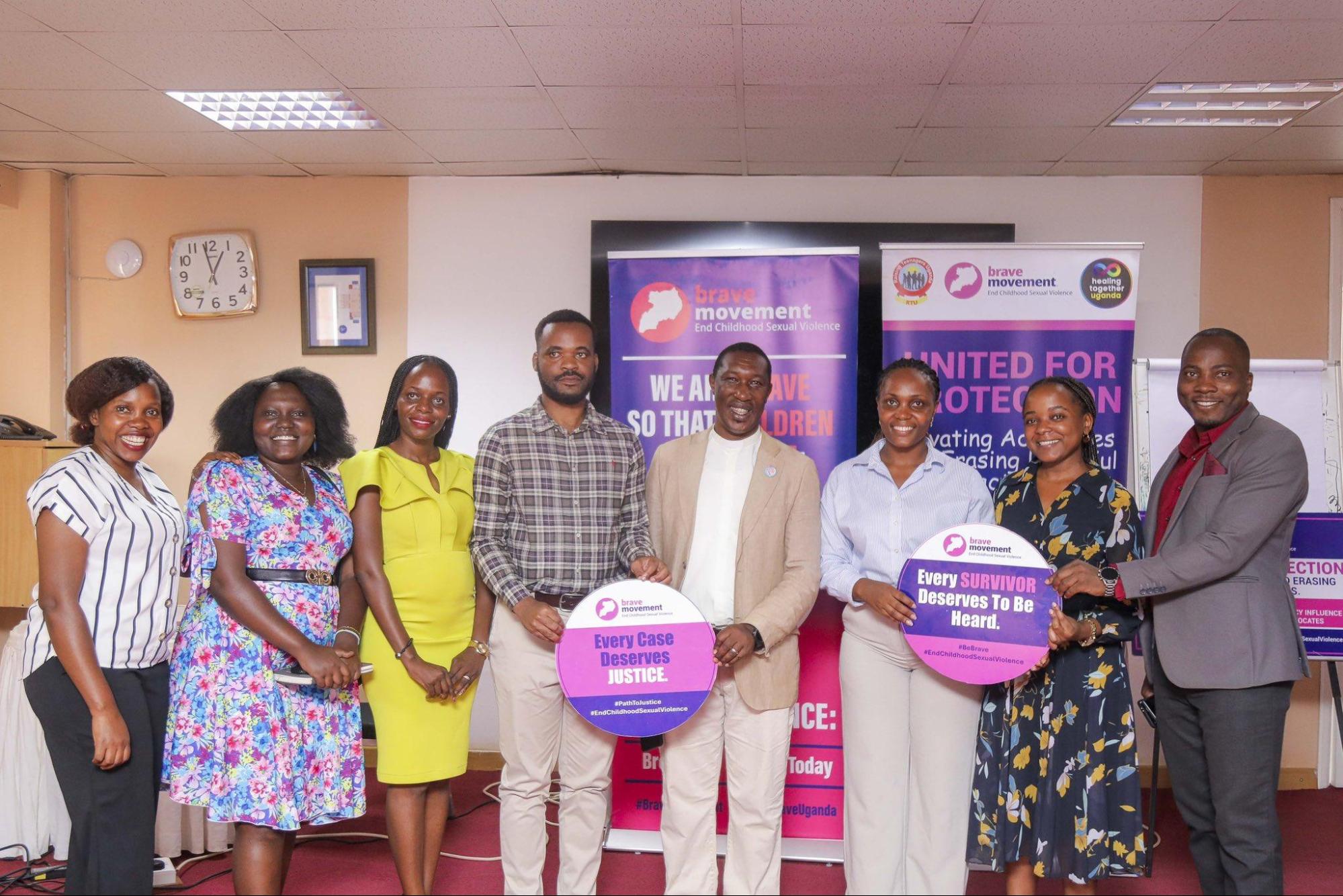
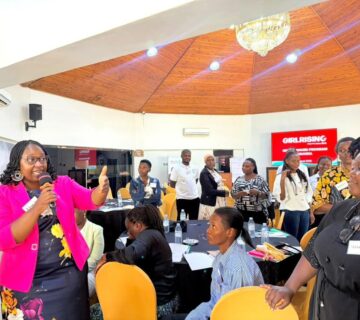
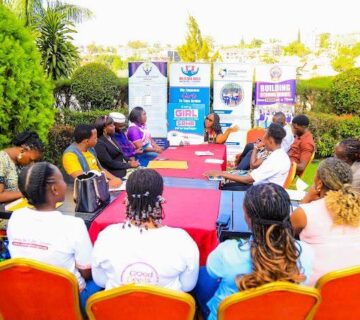
On 11 August 2026, Wezesha Girls Network Uganda joined stakeholders for a breakfast meeting convened under the leadership of Brave Movement Uganda, bringing together civil society leaders, faith leaders, government representatives and other actors committed to creating safer environments where children can grow, learn and thrive free from sexual violence. The meeting provided an important platform to reflect on progress made under the Advancing the Prevention of Childhood Sexual Violence, Promoting Healing and Strengthening Access to Justice for Survivors project, while creating space for stakeholders to share experiences, identify gaps and explore practical pathways for strengthening prevention and response.
A key message emerging from the engagement was the importance of starting prevention early because children need age-appropriate knowledge and life skills that enable them to understand boundaries, recognise unsafe situations, identify warning signs, seek help and know what to do when something does not feel right. Parents, caregivers, teachers, schools, faith communities, institutions and wider communities all have a responsibility to create environments where children are protected, listened to and taken seriously. Building children’s confidence to speak up must go hand in hand with building adults’ capacity to respond appropriately when concerns are raised.
The discussions also highlighted the critical role of speaking up in preventing and responding to childhood sexual violence. Silence can allow abuse to continue. Creating safe spaces where children and adults feel able to report concerns is therefore an essential part of prevention. Children who disclose abuse need to be believed, protected, supported and their voices must be heard without blame, shame or intimidation.
One of the important lessons from the stakeholder engagement is that reporting abuse is only the beginning not the end of the response. When a child reports sexual violence, an effective referral system should connect them to the services they need and these may include healthcare, psychosocial support, protection, legal assistance and access to justice and that every stage of the response should safeguard the child’s dignity and wellbeing while minimising the risk of further trauma. There is therefore an urgent need to strengthen systems that receive, refer, respond to and follow up on cases so that survivors are not lost between reporting and justice.
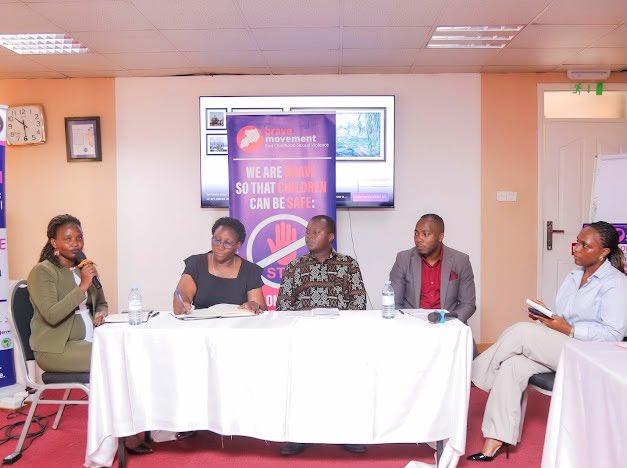
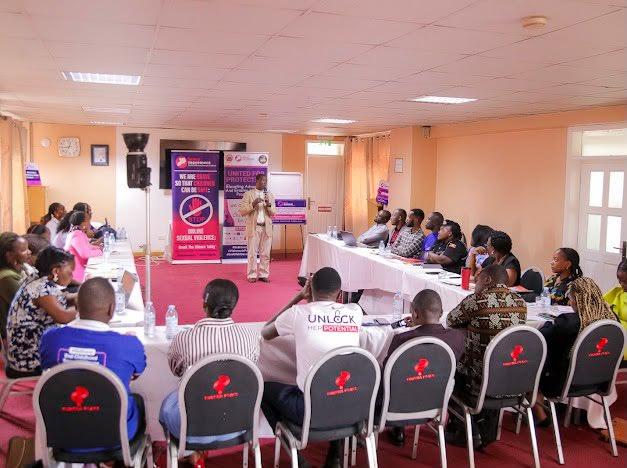
Government institutions have a critical role in strengthening policies, services and accountability mechanisms. Civil society organisations contribute through prevention, community mobilisation, advocacy and survivor-centred support. Faith leaders can influence social norms and promote safe environments within communities. Schools and teachers are essential in identifying concerns and creating protective learning environments. Parents and caregivers remain central to children’s safety and wellbeing. When these actors work in isolation, gaps can emerge. When they work together, stronger systems can be built.
Uganda’s child protection efforts increasingly recognise the importance of equipping children with age-appropriate life skills, values and competencies from the early years through adolescence however, policies and frameworks only make a difference when they translate into meaningful action at community level. Prevention must reach children where they live, learn and interact. Families and communities must have the knowledge and confidence to recognise risks. Institutions must have clear safeguarding mechanisms. Survivors must be able to access quality services. And perpetrators must be held accountable.
For Wezesha Girls Network Uganda, participation in this engagement reaffirmed our commitment to advancing the safety, rights and wellbeing of girls and children. We believe that protecting children from sexual violence requires more than responding to cases after harm has occurred. It requires investing in prevention, strengthening protective environments, empowering children with knowledge, supporting caregivers and ensuring that systems are prepared to respond effectively. We also recognise that survivors need compassionate, coordinated and timely support to heal and access justice. The discussions in this stakeholder meeting reminded us that meaningful change is built through partnerships. By bringing different actors together, we can identify gaps, strengthen existing systems and develop solutions that place children at the centre.
At Wezesha Girls Network Uganda, we remain committed to working alongside partners and stakeholders to strengthen prevention, promote safe environments, support survivors and advocate for systems that protect every child because we believe that every child deserves to grow, learn and thrive free from sexual violence. Together, we can create safer communities where every voice is heard, every concern is taken seriously and every child is protected.
Complied by; Ainomugisha Mercy.
No comment